Sustainable US Agriculture: 7 Tech Innovations for Next 18 Months
The agricultural sector in the United States stands at a pivotal juncture, facing mounting pressure to increase food production while simultaneously mitigating its environmental footprint. The quest for sustainability is no longer an aspiration but an urgent necessity, driven by climate change, resource scarcity, and evolving consumer demands. This imperative has catalyzed a remarkable surge in technological innovation, with groundbreaking solutions emerging to redefine farming practices. These advancements promise not only to enhance efficiency and yield but also to usher in an era of truly sustainable agriculture tech.
In this comprehensive exploration, we delve into seven transformative technologies that are not just on the horizon, but are poised for widespread adoption across US agriculture within the next 18 months. These innovations represent the vanguard of a new agricultural revolution, offering practical, scalable, and impactful solutions to some of the industry’s most pressing challenges. From the microscopic world of soil health to the expansive skies traversed by autonomous drones, each technology offers a unique pathway towards a more resilient, productive, and environmentally responsible food system. Understanding these trends is crucial for farmers, policymakers, investors, and consumers alike, as they collectively shape the future of how we grow our food.
The Urgency for Sustainable Agriculture Tech in the US
The United States, a global agricultural powerhouse, faces significant challenges in maintaining its productivity while addressing environmental concerns. Conventional farming methods, while highly productive, often come with a heavy ecological cost, including soil degradation, water depletion, biodiversity loss, and greenhouse gas emissions. The demand for food is projected to rise dramatically in the coming decades, necessitating a paradigm shift in how food is produced. This is where sustainable agriculture tech plays a critical role, offering solutions that can decouple food production from environmental harm.
Climate change, with its unpredictable weather patterns, droughts, and floods, further exacerbates the need for resilient farming systems. Farmers are increasingly seeking innovative tools that can help them adapt to these changes, optimize resource use, and reduce their reliance on synthetic inputs. Furthermore, consumer preferences are shifting towards sustainably produced food, creating market incentives for farmers to adopt greener practices. The confluence of these factors has created fertile ground for the rapid development and adoption of cutting-edge agricultural technologies that prioritize both productivity and planetary health.
The US government, academic institutions, and private sector are investing heavily in research and development to accelerate the transition to sustainable farming. This concerted effort is fostering an ecosystem where technological breakthroughs can quickly move from laboratories to fields, demonstrating tangible benefits. The technologies we will explore are not theoretical concepts; they are proven solutions that are becoming increasingly accessible and affordable for a wide range of agricultural operations, from small family farms to large-scale industrial complexes. Their widespread adoption in the near future is not just a possibility, but a growing certainty, driven by both necessity and opportunity.
1. Advanced Precision Agriculture with AI and Machine Learning
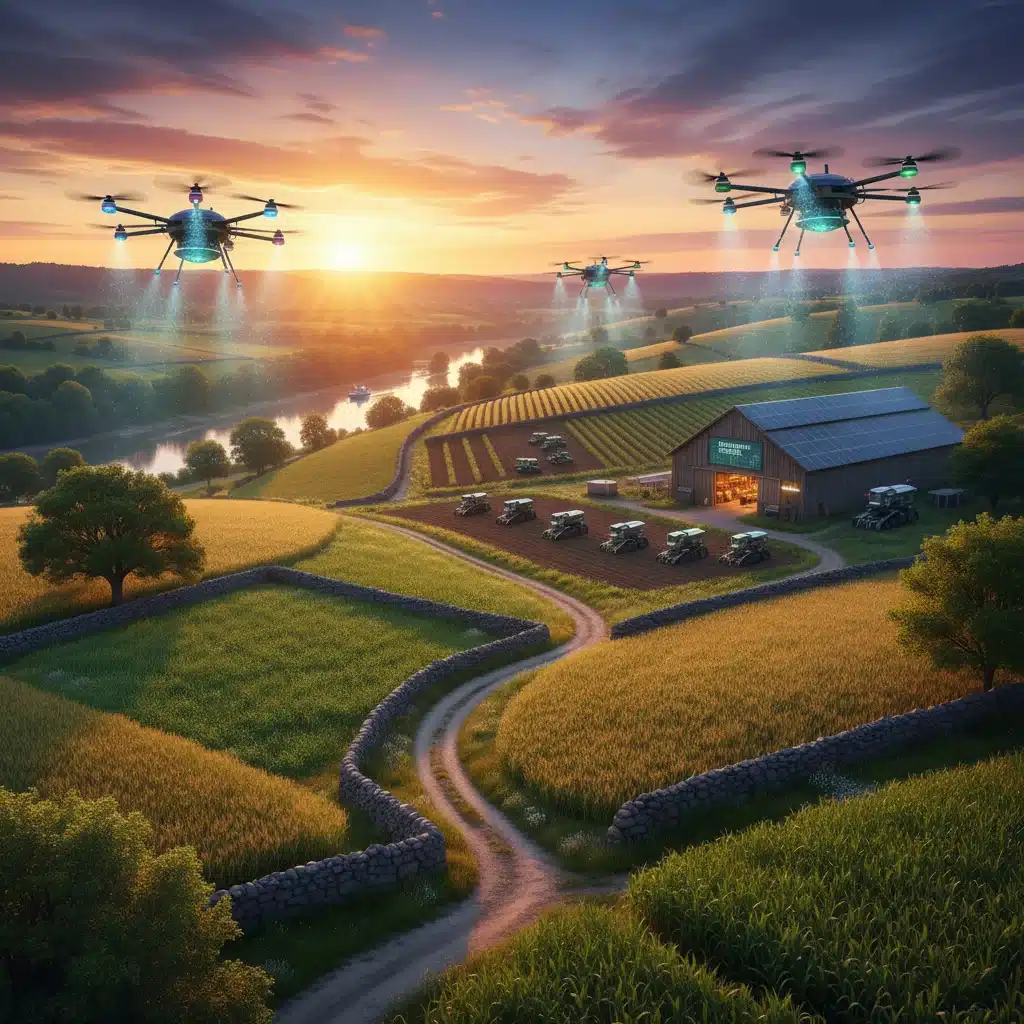
Precision agriculture, a methodology centered on observing, measuring, and responding to inter and intra-field variability in crops, has been around for some time. However, the integration of Artificial Intelligence (AI) and Machine Learning (ML) is catapulting it into a new era of sophistication and efficacy. These advanced algorithms can process vast amounts of data from various sources – satellite imagery, drone footage, soil sensors, weather stations, and historical yield maps – to provide unprecedented insights into crop health, nutrient deficiencies, pest infestations, and water stress. This allows farmers to make highly localized and timely decisions, optimizing inputs and maximizing outputs.
Within the next 18 months, we anticipate a significant increase in the adoption of AI-powered precision agriculture platforms. These platforms move beyond simple data aggregation to predictive analytics, enabling farmers to forecast potential issues before they become critical. For instance, AI can analyze plant growth patterns and predict yield variations within a field, allowing for targeted application of fertilizers or water only where needed. This hyper-efficiency dramatically reduces waste, lowers operational costs, and minimizes environmental impact by preventing over-application of chemicals and water.
The benefits extend to automated machinery. AI-driven systems can guide autonomous tractors and sprayers with unparalleled accuracy, ensuring that every seed is planted optimally and every drop of pesticide or fertilizer reaches its intended target. This not only saves resources but also reduces labor costs and human error. As these systems become more user-friendly and integrated, they will empower even small-scale farmers to leverage the power of data-driven decision-making, making sustainable agriculture tech more accessible than ever before.
2. Vertical Farming and Controlled Environment Agriculture (CEA) Expansion
Vertical farming and Controlled Environment Agriculture (CEA) represent a revolutionary approach to food production, particularly in urban and peri-urban areas. By cultivating crops in vertically stacked layers indoors, often without soil and using artificial light, these systems offer unparalleled control over growing conditions. This control translates into significantly higher yields per square foot, reduced water usage (up to 95% less than traditional farming), elimination of pesticides, and year-round production regardless of external climate conditions. The promise of fresh, local produce, grown sustainably, is driving rapid expansion.
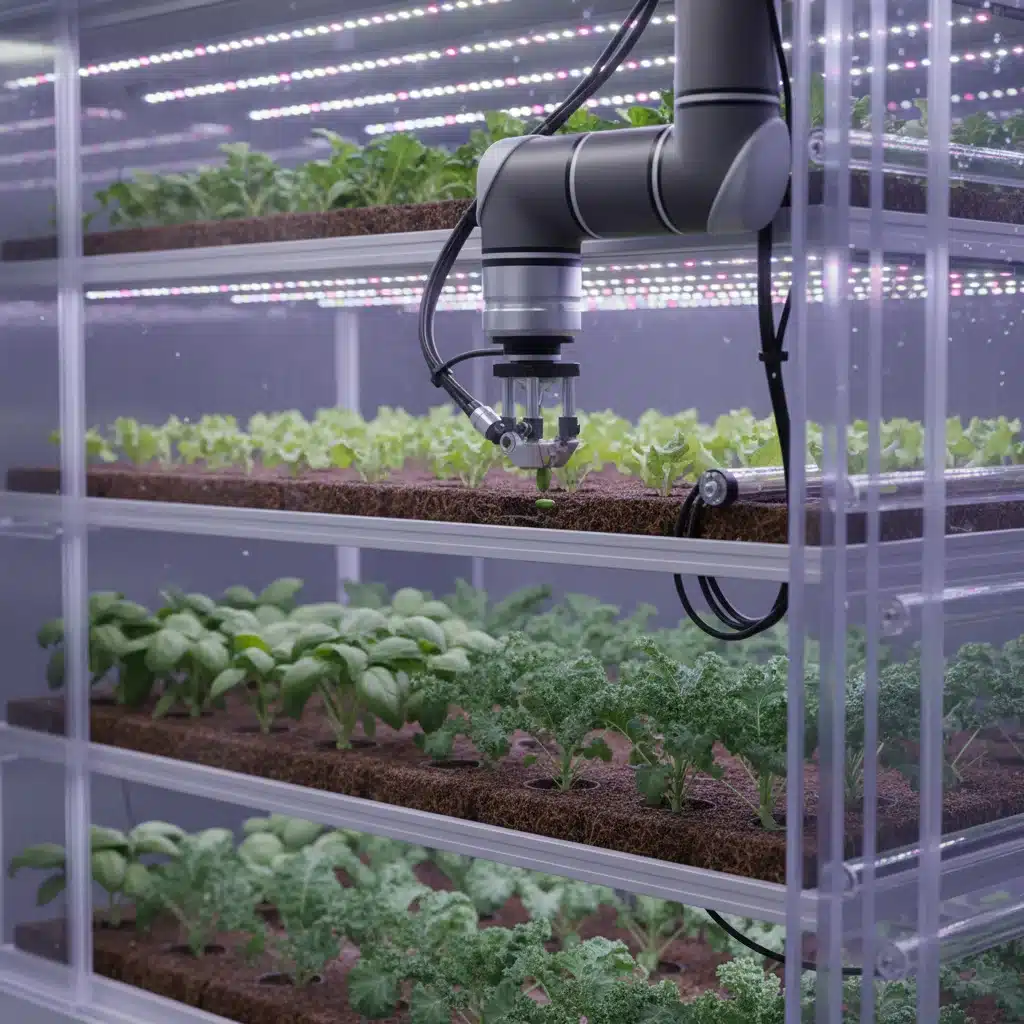
Over the next year and a half, we expect to see a surge in the construction and operation of large-scale vertical farms across the US. Technological advancements in LED lighting, hydroponics, aeroponics, and aquaponics are making these systems more energy-efficient and economically viable. Furthermore, AI and automation are playing a crucial role in managing these complex environments, optimizing everything from nutrient delivery to light spectrum and temperature. Robotic systems handle planting, harvesting, and packaging, further reducing labor requirements and increasing operational efficiency.
The primary advantage of vertical farming is its ability to reduce the carbon footprint associated with food transportation by locating production closer to consumers. This minimizes food miles and ensures fresher produce on supermarket shelves. As water scarcity becomes a more pressing global issue, the water-saving capabilities of CEA will become even more critical. This sustainable agriculture tech is not just a niche market; it’s a fundamental shift in how we think about food supply chains, offering a resilient and sustainable solution for future food security.
3. Advanced Robotics and Automation for Field Operations
The agricultural labor shortage, coupled with the need for increased efficiency and precision, is accelerating the adoption of robotics and automation in field operations. While fully autonomous tractors have been in development for years, the next 18 months will see a wider deployment of smaller, more specialized robotic units capable of performing intricate tasks that are currently labor-intensive and often inefficient.
These robots are designed to handle tasks such as precise planting, targeted weeding, selective harvesting of delicate crops, and individual plant monitoring. For example, weeding robots can identify weeds using computer vision and remove them mechanically or with micro-doses of herbicide, significantly reducing the need for broad-spectrum chemical applications. Harvesting robots, equipped with advanced sensors and grippers, can pick ripe fruits and vegetables without damaging them, addressing challenges in labor availability and consistency.
The integration of these robotic systems with AI and GPS technology allows for highly accurate and repeatable operations, leading to healthier crops, higher yields, and reduced input costs. Farmers can deploy swarms of smaller robots to cover large areas efficiently, operating around the clock if necessary. This shift towards intelligent automation is a cornerstone of sustainable agriculture tech, as it minimizes human exposure to hazardous chemicals, reduces soil compaction from heavy machinery, and optimizes resource utilization across the farm. The economic benefits, combined with environmental advantages, make these robotic solutions an attractive investment for forward-thinking agricultural enterprises.
4. Enhanced Soil Health Monitoring and Biologics
Healthy soil is the foundation of sustainable agriculture, and new technologies are revolutionizing how farmers understand and manage this vital resource. Traditional soil testing provides periodic snapshots, but advanced soil health monitoring systems offer real-time, continuous data on a multitude of parameters, including moisture content, nutrient levels, pH, organic matter, and even microbial activity.
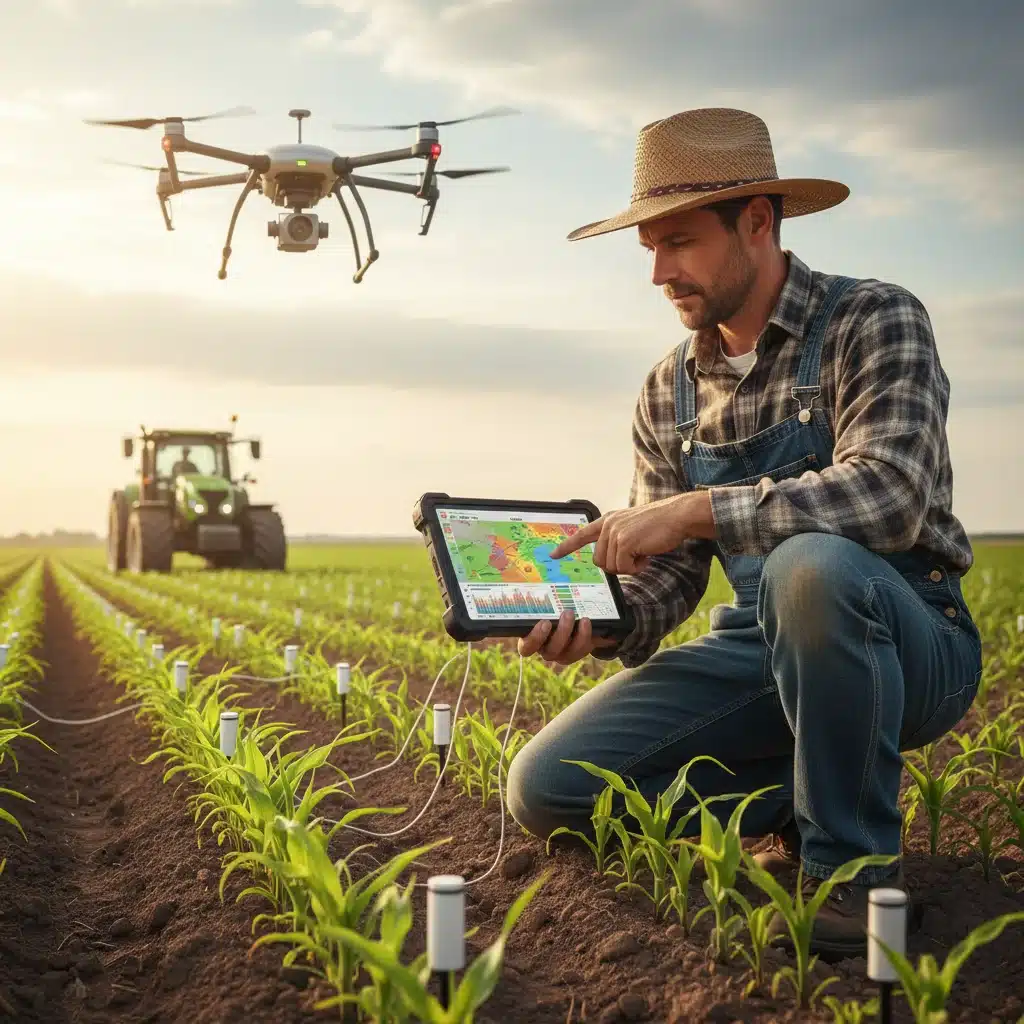
Within the next 18 months, we anticipate a broader adoption of in-field wireless sensor networks and portable spectroscopy devices that can provide immediate, actionable insights into soil conditions. These systems, often integrated with AI platforms, can recommend precise applications of water, fertilizers, and amendments, preventing both under- and over-application. This targeted approach not only saves resources but also reduces nutrient runoff and leaching, protecting water quality and ecosystems.
Complementing improved monitoring is the growing use of biologics – naturally derived products that enhance soil health and plant growth. These include microbial inoculants, biofertilizers, and biopesticides. Instead of relying solely on synthetic chemicals, farmers are increasingly turning to beneficial microorganisms and natural compounds to improve nutrient uptake, enhance plant immunity, and suppress pests. This shift represents a significant move towards regenerative agricultural practices, rebuilding soil organic matter and biodiversity. The combination of precise monitoring and targeted biologic applications is a powerful example of how sustainable agriculture tech is fostering more resilient and productive agroecosystems.
5. Advanced Water Management Systems and Irrigation Optimization
Water is perhaps the most critical resource in agriculture, and its efficient use is paramount for sustainability, especially in regions prone to drought. While drip irrigation and pivot systems have been significant advancements, the next generation of water management systems integrates real-time data, predictive modeling, and automation to achieve unprecedented levels of water efficiency.
These advanced systems utilize a network of in-field sensors that measure soil moisture at various depths, plant water stress, and local weather conditions. This data is fed into AI-powered algorithms that can precisely calculate the optimal amount of water needed for each section of a field, at any given time. Smart irrigation controllers can then autonomously adjust irrigation schedules and water delivery rates, ensuring that plants receive exactly what they need, when they need it, without waste.
We expect to see wider adoption of technologies like variable rate irrigation (VRI), which allows for different amounts of water to be applied to different parts of the same field, based on real-time data. Additionally, remote sensing technologies, such as thermal imaging from drones, can identify areas of plant water stress before they are visible to the human eye, enabling proactive intervention. These sophisticated water management solutions are crucial for conserving precious water resources, reducing energy consumption for pumping, and improving crop resilience in the face of climate variability, making them a cornerstone of sustainable agriculture tech.
6. Gene Editing and Biotechnology for Resilient Crops
While often controversial, advancements in gene editing technologies, particularly CRISPR-Cas9, are offering powerful tools for developing crops that are inherently more sustainable. Unlike traditional genetic modification, gene editing allows for precise changes to a plant’s DNA, often mimicking natural mutations, to enhance desirable traits without introducing foreign DNA.
In the coming 18 months, we anticipate a more widespread acceptance and application of gene-edited crops designed for increased resilience and reduced environmental impact. This includes crops that are naturally resistant to common pests and diseases, thereby reducing the need for chemical pesticides. Other applications include developing crops that are more tolerant to drought, salinity, and extreme temperatures, making them viable in challenging environments and reducing yield losses due to climate change.
Furthermore, gene editing can be used to improve nutrient use efficiency, allowing crops to thrive with less fertilizer. It can also enhance nutritional content, contributing to food security and public health. As regulatory frameworks evolve and public understanding increases, gene-edited crops are poised to play a significant role in making agriculture more productive and sustainable. This form of sustainable agriculture tech offers a biological solution to many agricultural challenges, reducing reliance on external inputs and making farming intrinsically more environmentally friendly.
7. Blockchain for Supply Chain Transparency and Traceability
While not directly involved in the physical act of farming, blockchain technology is emerging as a critical enabler of sustainable agriculture by enhancing transparency and traceability throughout the food supply chain. Consumers are increasingly demanding to know the origin of their food, how it was produced, and its environmental and social impact. Blockchain provides an immutable, decentralized ledger that can record every step of a product’s journey from farm to fork.
Over the next 18 months, we expect to see a significant uptick in the adoption of blockchain solutions by large food companies and agricultural cooperatives in the US. This technology can track key sustainability metrics, such as water usage, pesticide application, carbon footprint, and labor practices, providing verifiable data that builds trust with consumers and regulatory bodies. For instance, a consumer could scan a QR code on a product and instantly access information about the farm where it was grown, its certifications, and its journey through the supply chain.
Beyond consumer trust, blockchain can also empower farmers by ensuring fair pricing and providing access to new markets that value sustainable practices. It can streamline logistics, reduce waste due to spoilage or inefficiency, and help prevent food fraud. By creating a transparent and accountable system, blockchain incentivizes sustainable practices across the entire value chain, making it an indispensable piece of the sustainable agriculture tech puzzle. It ensures that the efforts made on the farm for sustainability are recognized and rewarded in the marketplace.
The Road Ahead for Sustainable Agriculture Tech in the US
The convergence of technological innovation, environmental necessity, and evolving market demands is rapidly transforming the landscape of US agriculture. The seven technologies discussed – advanced precision agriculture with AI, vertical farming, field robotics, enhanced soil health monitoring and biologics, advanced water management, gene editing, and blockchain for transparency – are not isolated advancements. Instead, they are interconnected components of a holistic approach to building a more sustainable and resilient food system.
The next 18 months will be a period of accelerated adoption for these sustainable agriculture tech solutions. Farmers who embrace these innovations stand to gain significant competitive advantages, including increased efficiency, reduced costs, higher yields, and improved environmental stewardship. Policymakers and industry leaders must continue to foster an environment that supports research, development, and the widespread deployment of these technologies, ensuring that they are accessible to farms of all sizes.
The journey towards a fully sustainable agricultural sector is ongoing, but these technologies offer a clear and promising path forward. By leveraging the power of data, automation, biotechnology, and connectivity, US agriculture can continue to feed a growing population while safeguarding our planet’s precious resources for future generations. The future of farming is not just about producing more; it’s about producing better, smarter, and more sustainably, and these innovations are paving the way.