Edge AI Adoption 2026: 3 Key Benefits for U.S. Manufacturing
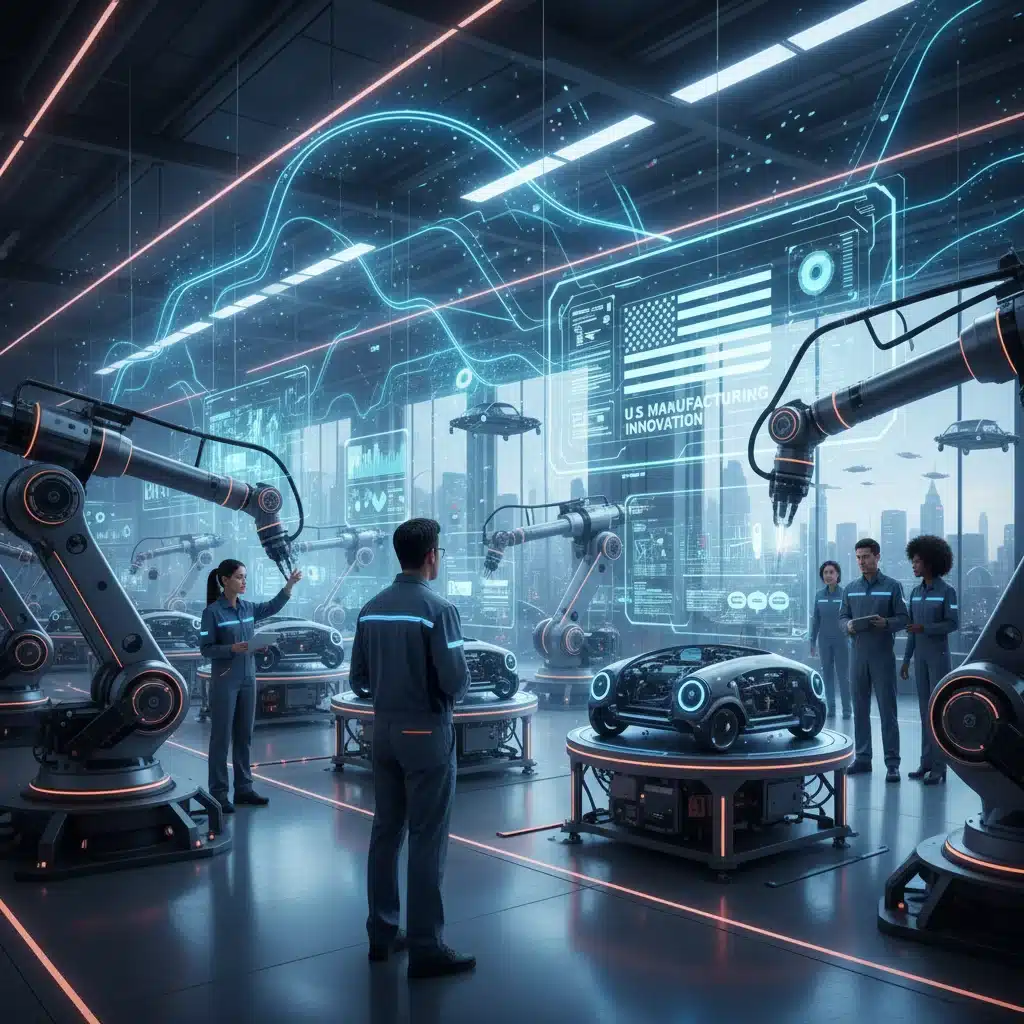
Edge AI Adoption in 2026: Uncovering the 3 Key Benefits for U.S. Manufacturing (INSIDER KNOWLEDGE)
The landscape of U.S. manufacturing is on the cusp of a profound transformation, driven by the relentless march of technological innovation. Among the myriad advancements, Edge AI stands out as a particularly potent force, poised to redefine operational paradigms and competitive advantages. By 2026, the adoption of Edge AI in manufacturing facilities across the United States is not merely an expectation but a strategic imperative for those seeking to remain at the forefront of industrial efficiency and innovation. This article delves deep into the anticipated surge of Edge AI Manufacturing Benefits, offering insider knowledge on the three most significant advantages that will reshape the sector.
Traditional manufacturing relies heavily on centralized cloud computing for AI applications, which, while powerful, introduces latency and bandwidth challenges. Edge AI, conversely, brings computation and data storage closer to the source of data generation – the ‘edge’ of the network. This localized processing capability is a game-changer for industrial environments where real-time decision-making and minimal latency are paramount. The implications for U.S. manufacturing are vast, touching every aspect from production lines to supply chain management.
The Dawn of Real-Time Intelligence: Understanding Edge AI in Manufacturing
Before we dissect the core benefits, it’s crucial to grasp what Edge AI truly entails within a manufacturing context. Imagine a factory floor teeming with sensors, cameras, and robotic machinery. Each of these devices generates an immense volume of data every second. Sending all this raw data to a remote cloud for processing is inefficient and often impractical. Edge AI enables these devices, or nearby localized servers, to process the data directly, making immediate decisions without relying on a constant connection to a central server. This distributed intelligence model is fundamental to unlocking the full potential of Industry 4.0 and realizing substantial Edge AI Manufacturing Benefits.
The shift towards Edge AI is not a fleeting trend but a fundamental architectural evolution. It addresses critical issues such as data security, privacy, and regulatory compliance by keeping sensitive operational data within the factory’s perimeter. Furthermore, by reducing the reliance on cloud infrastructure, it enhances system resilience against network outages and cyber threats. For U.S. manufacturers, this means more robust, autonomous, and responsive operations, paving the way for unprecedented levels of efficiency and innovation.
Benefit 1: Unprecedented Operational Efficiency and Throughput Optimization
One of the most immediate and impactful Edge AI Manufacturing Benefits is the dramatic improvement in operational efficiency. By enabling real-time data processing and analysis at the source, Edge AI empowers manufacturing systems to make instantaneous adjustments and optimizations. This translates directly into higher throughput, reduced waste, and more agile production lines.
Minimizing Downtime through Instant Anomaly Detection
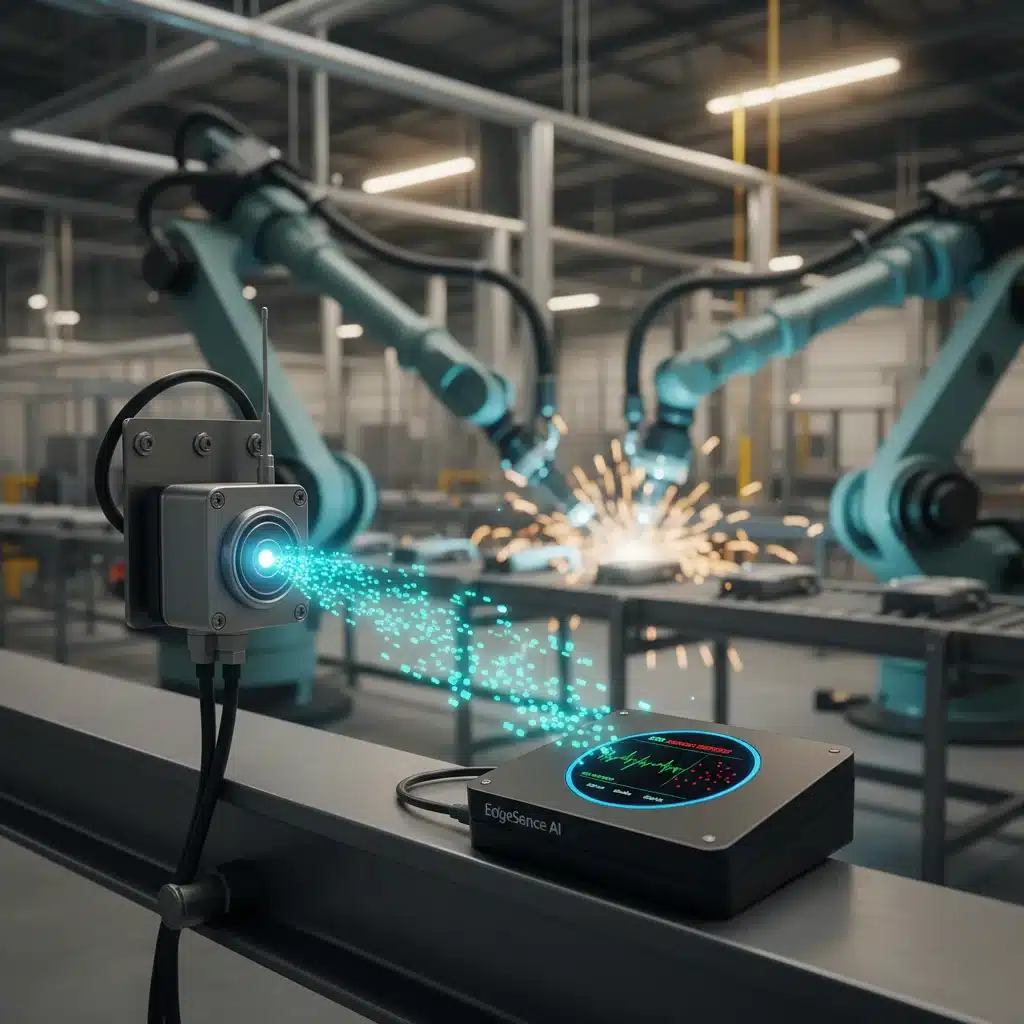
Consider a complex assembly line. Traditional monitoring systems might detect a malfunction after it has already caused significant disruption. With Edge AI, sensors embedded in machinery can continuously analyze performance data in real-time. Any subtle deviation from normal operating parameters – a slight vibration, an unusual temperature spike, or a minuscule pressure drop – can be instantly identified as an anomaly. An Edge AI model, trained on historical data, can immediately flag these anomalies, often predicting potential failures before they occur. This proactive approach allows for immediate intervention, preventing costly downtime and maintaining continuous production flow.
For example, in a high-volume automotive plant, even a few minutes of unscheduled downtime can result in thousands of dollars in lost revenue. Edge AI’s ability to provide instant alerts and even suggest corrective actions means that maintenance teams can address issues before they escalate, transforming reactive maintenance into a highly efficient, predictive process. This continuous, real-time monitoring and analysis capability is a cornerstone of enhanced operational efficiency.
Optimizing Production Parameters in Real-Time
Beyond anomaly detection, Edge AI can dynamically optimize various production parameters. In processes like CNC machining, additive manufacturing, or chemical production, numerous variables influence the final product quality and production speed. Edge AI algorithms can analyze real-time data from multiple sensors – temperature, pressure, flow rates, tool wear – and adjust machine settings on the fly to maintain optimal performance. This ensures consistent product quality, minimizes material waste, and maximizes output.
Imagine a smart factory where machines learn and adapt. An Edge AI system might detect that a slight increase in cutting speed is possible without compromising tool life or product finish, thereby boosting throughput. Conversely, if it identifies conditions that could lead to defects, it can automatically slow down or adjust other parameters to prevent them. This continuous, intelligent optimization loop is a powerful driver of efficiency, allowing manufacturers to squeeze every ounce of productivity from their assets.
Streamlining Logistics and Inventory Management
Operational efficiency extends beyond the production line to encompass logistics and inventory. Edge AI can be deployed in warehouses and distribution centers to optimize material flow, track inventory with greater accuracy, and even manage autonomous guided vehicles (AGVs) more effectively. By processing data locally from RFID tags, cameras, and robotic systems, Edge AI can ensure that materials are where they need to be, when they need to be there, minimizing delays and reducing carrying costs. This holistic approach to efficiency is a significant competitive advantage for U.S. manufacturers.
Benefit 2: Predictive Maintenance Evolved – From Reactive to Prescriptive
The second major benefit, closely related to operational efficiency, is the evolution of predictive maintenance into a truly prescriptive approach. While predictive maintenance has been a goal for years, Edge AI significantly enhances its capabilities by providing the granular, real-time insights needed for highly accurate predictions and actionable recommendations. This is a critical Edge AI Manufacturing Benefit for industries where equipment failure can lead to catastrophic consequences.
Accurate Failure Prediction and Remaining Useful Life (RUL) Estimation
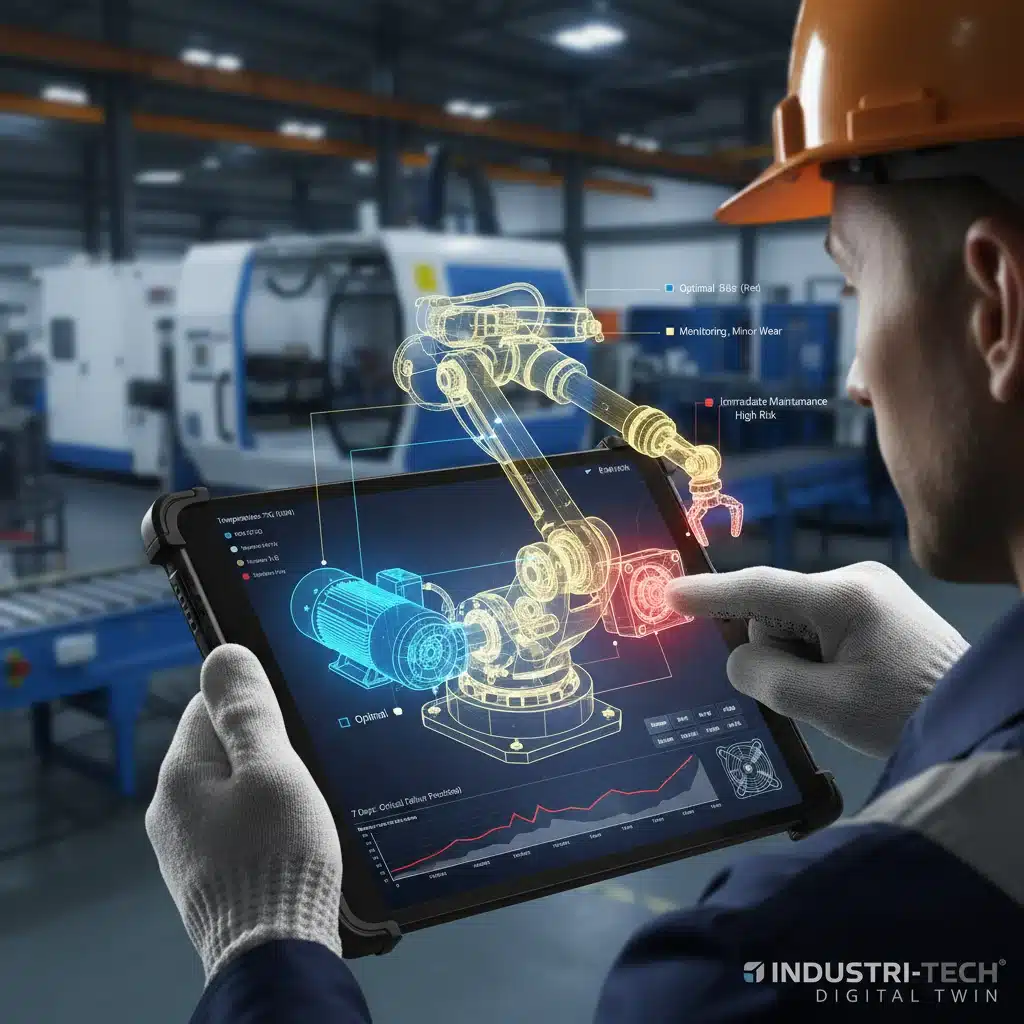
Edge AI models, deployed directly on or near industrial machinery, can continuously monitor a multitude of parameters such as vibration signatures, acoustic patterns, temperature fluctuations, and power consumption. By analyzing these complex datasets in real-time and comparing them against historical failure data, these models can accurately predict when a component is likely to fail. More importantly, they can estimate the Remaining Useful Life (RUL) of critical assets with remarkable precision.
For instance, an Edge AI system monitoring a large industrial pump can detect subtle changes in its acoustic profile that indicate bearing wear long before any human operator or traditional sensor would. It can then not only predict the imminent failure but also provide an estimated timeframe, allowing maintenance teams to schedule interventions during planned downtimes, rather than reacting to an unexpected breakdown. This level of foresight is invaluable, transforming maintenance from a cost center into a strategic asset.
Optimized Maintenance Scheduling and Resource Allocation
With accurate RUL estimations, manufacturers can move beyond time-based or reactive maintenance to a truly optimized, condition-based approach. Maintenance activities can be scheduled precisely when needed, extending the lifespan of components that are still performing well and replacing those on the verge of failure. This minimizes unnecessary maintenance costs, reduces spare parts inventory, and ensures that resources – both human and material – are allocated efficiently.
Consider a factory with hundreds of machines. Manually tracking the health of each component is an impossible task. An Edge AI network can provide a comprehensive, real-time overview of the entire facility’s asset health, flagging critical components that require immediate attention and allowing maintenance managers to prioritize tasks based on actual need and potential impact on production. This strategic allocation of resources is a powerful driver of cost savings and improved operational continuity.
Enabling Prescriptive Maintenance Actions
The ultimate goal of predictive maintenance is prescriptive maintenance – not just knowing when something will fail, but knowing what to do about it. Edge AI systems can take this a step further by integrating with enterprise resource planning (ERP) systems and computerized maintenance management systems (CMMS). Upon predicting a failure, the Edge AI can automatically generate work orders, order necessary spare parts, and even suggest the optimal maintenance procedure based on historical data and expert knowledge bases. This level of automation significantly reduces human error and speeds up resolution times, further solidifying the Edge AI Manufacturing Benefit in this domain.
Benefit 3: Revolutionary Quality Control and Defect Prevention
The third cornerstone benefit of Edge AI in U.S. manufacturing is its ability to revolutionize quality control, moving from post-production inspection to real-time, in-process defect prevention. This translates into higher product quality, reduced rework, and significant cost savings associated with scrap and warranty claims.
Real-Time Visual Inspection and Anomaly Detection
Traditional quality control often involves manual inspection or batch sampling, which are prone to human error and can miss subtle defects. Edge AI-powered vision systems, equipped with high-resolution cameras and advanced algorithms, can perform continuous, 100% inspection of products on the assembly line. These systems can identify microscopic flaws, surface imperfections, or incorrect assembly steps that would be invisible to the human eye or too fast for manual detection.
For example, in electronics manufacturing, Edge AI can inspect solder joints, component placement, and circuit board integrity in milliseconds, ensuring every single unit meets stringent quality standards. In food processing, it can detect foreign objects or packaging defects with unparalleled accuracy. Because the processing happens at the edge, decisions can be made instantly – a defective product can be immediately rejected or flagged for rework, preventing it from moving further down the line and incurring additional costs. This real-time feedback loop is a monumental leap in quality assurance.
Process Control for Defect Prevention
Beyond identifying defects, Edge AI can actively prevent them by monitoring and controlling the manufacturing process itself. By correlating real-time quality data with process parameters, Edge AI models can identify the root causes of defects and suggest or even automatically implement corrective adjustments. If a particular machine setting is leading to a higher incidence of surface blemishes, the Edge AI system can detect this trend and adjust the setting before a significant number of defective products are produced.
This proactive defect prevention capability is one of the most powerful Edge AI Manufacturing Benefits. It moves quality control from a reactive “find and fix” model to a proactive “prevent and optimize” approach. This not only improves product quality but also reduces material waste, energy consumption, and the environmental footprint of manufacturing operations.
Enhancing Traceability and Compliance
Edge AI also plays a crucial role in enhancing product traceability and ensuring compliance with regulatory standards. By capturing and processing detailed production data at every stage – from raw material input to final packaging – Edge AI systems create a comprehensive digital history for each product. This data can be invaluable for pinpointing the source of a defect, supporting product recalls, and demonstrating adherence to industry regulations.
In industries like pharmaceuticals or aerospace, where stringent regulations are in place, the ability to maintain an immutable, real-time record of every manufacturing step, validated by Edge AI, is a significant advantage. It simplifies audits, reduces compliance risks, and builds greater trust in the manufacturing process and its outputs.
Challenges and Considerations for Edge AI Adoption in U.S. Manufacturing
While the Edge AI Manufacturing Benefits are compelling, the path to widespread adoption is not without its challenges. U.S. manufacturers must navigate several key considerations to successfully integrate Edge AI into their operations:
- Data Infrastructure and Connectivity: Implementing Edge AI requires robust local network infrastructure capable of handling high volumes of data from numerous sensors and devices. Ensuring reliable and secure connectivity at the edge is paramount.
- Skills Gap: There is a growing need for skilled professionals who understand both manufacturing processes and AI/ML technologies. Companies will need to invest in training their existing workforce or hiring new talent to deploy and manage Edge AI systems effectively.
- Integration with Existing Systems: Seamless integration of new Edge AI solutions with legacy operational technology (OT) and information technology (IT) systems can be complex. Manufacturers need strategies for interoperability and data exchange.
- Data Security and Privacy: While Edge AI can enhance data security by keeping data local, it also introduces new security vulnerabilities at the edge. Robust cybersecurity measures are essential to protect sensitive operational data.
- Cost of Implementation: The initial investment in Edge AI hardware, software, and integration can be significant. Manufacturers need a clear return on investment (ROI) strategy to justify these expenditures.
- Scalability: Solutions must be designed with scalability in mind, allowing manufacturers to expand their Edge AI deployments as their needs evolve and as they gain experience with the technology.
Addressing these challenges proactively will be crucial for U.S. manufacturers looking to fully capitalize on the advantages offered by Edge AI. Strategic partnerships with technology providers, investment in workforce development, and a phased implementation approach can help mitigate risks and accelerate adoption.
The Future is at the Edge: Strategic Imperatives for U.S. Manufacturers
By 2026, the competitive landscape of U.S. manufacturing will be distinctly shaped by the early adopters of Edge AI. Those who embrace this technology will gain significant advantages in terms of cost efficiency, product quality, and operational resilience. The three core Edge AI Manufacturing Benefits – enhanced operational efficiency, superior predictive maintenance, and revolutionary quality control – are not merely incremental improvements but foundational shifts that will redefine what is possible in modern manufacturing.
For U.S. manufacturers, the strategic imperative is clear: begin exploring and piloting Edge AI solutions now. This involves not only investing in the technology but also fostering a culture of data-driven decision-making and continuous innovation. The companies that successfully integrate Edge AI will be better equipped to respond to market demands, optimize their resource utilization, and ultimately, produce higher-quality goods at lower costs, securing their position as global leaders.
The journey towards full Edge AI adoption is a marathon, not a sprint. However, the benefits are too substantial to ignore. By focusing on these three key areas, U.S. manufacturing can leverage Edge AI to usher in a new era of productivity, sustainability, and competitive excellence, ensuring a robust and innovative industrial future for the nation.