Edge AI Adoption: US Companies Cut Cloud Costs by 15% in 2026
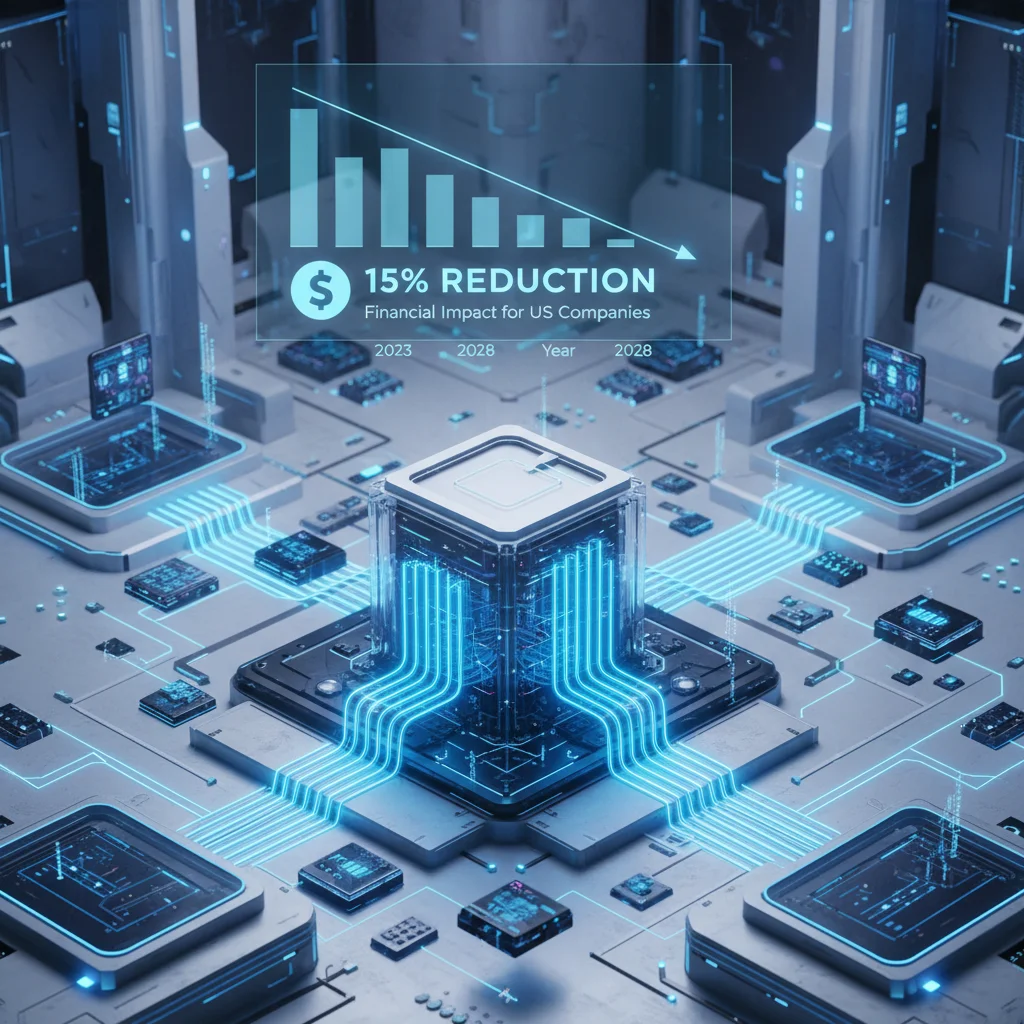
In an era defined by data proliferation and the relentless pursuit of operational efficiency, US companies are increasingly turning their gaze towards innovative solutions to manage spiraling cloud computing costs. The promise of artificial intelligence (AI) has been a significant driver of digital transformation, but its centralized cloud-based execution often entails substantial expenses. Enter Edge AI: a transformative paradigm poised to revolutionize how businesses process data, make decisions, and, crucially, significantly reduce their cloud expenditure. This article delves into how strategic Edge AI adoption can empower US companies to achieve a remarkable 15% reduction in cloud costs by 2026, exploring the financial implications, technological underpinnings, and practical implementation strategies.
The Cloud Cost Conundrum: A Growing Challenge for US Businesses
For years, cloud computing has been the bedrock of digital innovation, offering unparalleled scalability, flexibility, and access to advanced services. However, as organizations mature in their cloud journey, the initial promise of cost savings often gives way to a complex reality of escalating expenses. Factors such as data egress fees, storage costs, compute cycles for intensive AI/ML workloads, and the sheer volume of data being transferred to and from the cloud contribute to a significant financial burden.
US companies, in particular, with their vast data ecosystems and aggressive AI strategies, are grappling with this challenge. A recent survey indicated that over 60% of enterprises find managing cloud costs a major concern, with many exceeding their allocated budgets. The traditional model of sending all data to the cloud for processing, especially for real-time applications, is becoming economically unsustainable and technically inefficient. This is where the strategic shift towards Edge AI adoption emerges as a compelling solution.
Understanding Edge AI: Bringing Intelligence Closer to the Source
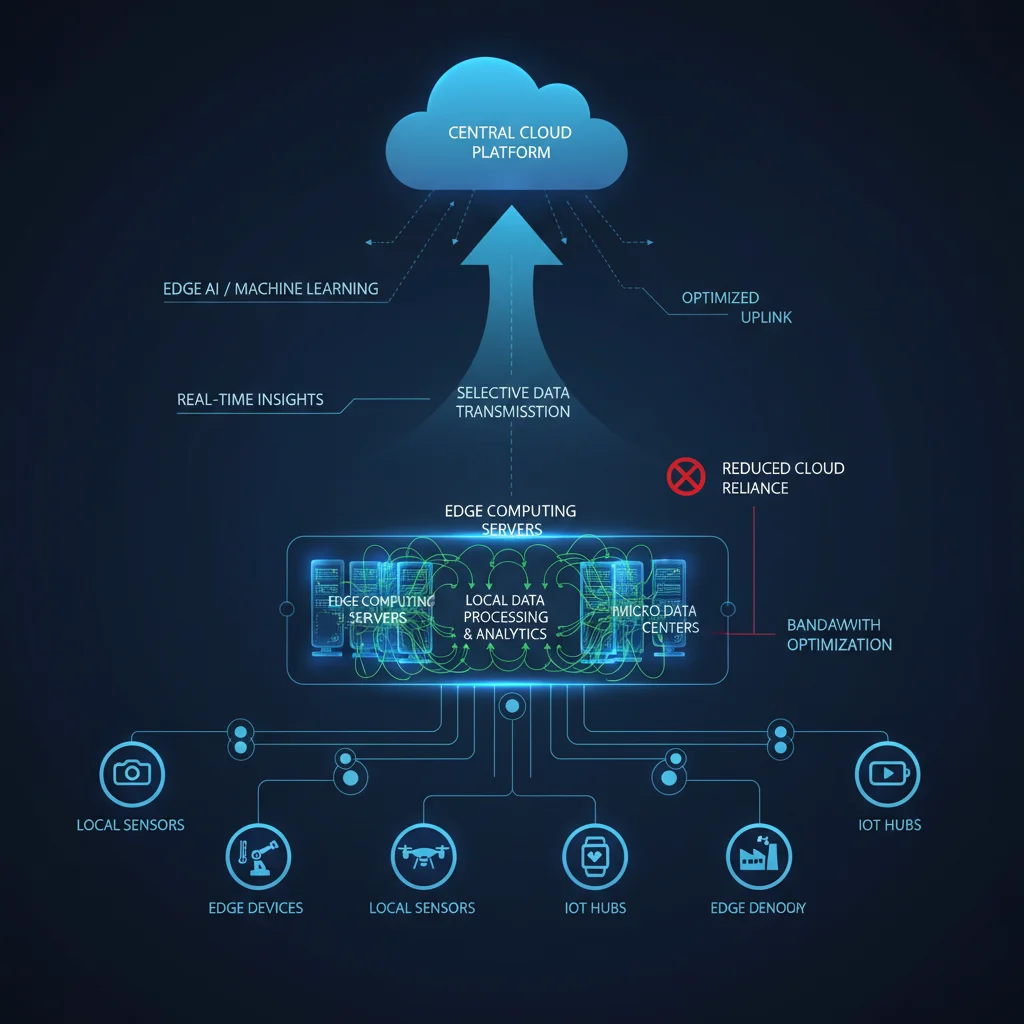
Edge AI refers to the deployment of AI algorithms and machine learning models directly on edge devices – physical computing devices located at or near the source of data generation. These devices can range from IoT sensors, cameras, and drones to industrial machinery, smart appliances, and even smartphones. Instead of transmitting raw data to a centralized cloud for analysis, Edge AI enables local processing, inference, and decision-making in real-time.
The core principle behind Edge AI is to minimize latency, conserve bandwidth, and enhance data privacy by reducing the need for constant communication with the cloud. This decentralized approach has profound implications for industries requiring instantaneous responses, such as autonomous vehicles, smart manufacturing, healthcare monitoring, and retail analytics. More importantly, it directly addresses the escalating cloud cost issue by intelligently managing data flow and processing where it makes the most sense.
Key Characteristics of Edge AI:
- Proximity to Data Source: Processing occurs close to where data is generated.
- Low Latency: Enables real-time decision-making without cloud roundtrips.
- Reduced Bandwidth: Only essential or aggregated data is sent to the cloud.
- Enhanced Privacy and Security: Sensitive data can remain localized.
- Offline Capabilities: Operations can continue even without continuous cloud connectivity.
- Distributed Intelligence: AI models are deployed across a network of devices.
The Financial Impact: How Edge AI Drives Cloud Cost Reduction
The projection of a 15% reduction in cloud costs by 2026 through Edge AI adoption for US companies is not merely aspirational; it’s a conservative estimate based on several quantifiable factors. Let’s break down the mechanisms through which Edge AI delivers these significant savings.
1. Minimized Data Egress and Ingress Charges:
One of the most significant cost drivers in cloud computing is data transfer, particularly data egress (data moving out of the cloud). When all raw data from thousands or millions of edge devices is streamed to the cloud for processing, these charges accumulate rapidly. Edge AI fundamentally alters this dynamic. By performing initial processing, filtering, and aggregation at the edge, only relevant, pre-processed, or summarized data needs to be sent to the cloud, drastically reducing data transfer volumes and associated costs.
Consider a retail chain with hundreds of stores, each equipped with numerous IoT sensors and cameras. Without Edge AI, all video feeds and sensor data might be streamed to the cloud for real-time inventory management, security monitoring, and customer behavior analysis. With Edge AI, local devices can perform object detection, anomaly detection, and data aggregation, sending only alerts or summarized insights to the cloud. This single shift can slash data egress costs by a substantial margin.
2. Optimized Cloud Compute Resources:
Running complex AI/ML models in the cloud, especially for inferencing on vast datasets, consumes considerable computational resources (CPUs, GPUs, TPUs). These resources are often provisioned on-demand, leading to fluctuating and often high costs. Edge AI adoption offloads a significant portion of this computational burden from the cloud to the edge devices themselves.
By executing inference locally, the need for continuous, high-powered cloud compute instances is reduced. The cloud becomes a hub for model training, updates, and high-level analytics, rather than the primary operational engine for every AI task. This allows companies to right-size their cloud compute allocations, leading to direct savings on virtual machines, serverless functions, and specialized AI/ML services.
3. Reduced Storage Requirements in the Cloud:
Storing raw, unadulterated data in the cloud is expensive, especially for long-term retention or high-availability storage tiers. Edge AI provides an opportunity for intelligent data retention policies. Data that is ephemeral, redundant, or non-critical can be processed and discarded at the edge, never reaching the cloud storage infrastructure. Only valuable, actionable data or data required for long-term historical analysis and model retraining is then stored in the cloud.
This selective storage approach translates into lower cloud storage costs, fewer backup and recovery expenses, and simplified data governance for cloud-based data lakes and warehouses.
4. Enhanced Bandwidth Efficiency:
While not a direct cloud cost, inefficient bandwidth usage can indirectly impact operational expenses and network infrastructure investments. By reducing the volume of data transmitted, Edge AI frees up network bandwidth, potentially delaying or reducing the need for costly network upgrades at various operational sites. This can also improve the performance of other cloud-dependent applications by alleviating network congestion.
5. Improved Operational Efficiency and Business Agility:
Beyond direct cost savings, Edge AI contributes to overall operational efficiency. Real-time insights at the edge enable faster decision-making, proactive maintenance, and improved customer experiences. For instance, in manufacturing, Edge AI can detect equipment anomalies instantly, preventing costly downtime. In retail, real-time foot traffic analysis can optimize staffing and merchandising. These operational improvements, while harder to quantify as direct cloud cost savings, contribute significantly to the bottom line, making the investment in Edge AI adoption even more compelling.
Strategic Implementation of Edge AI: A Roadmap for US Companies
Achieving a 15% reduction in cloud costs by 2026 requires a well-thought-out strategy for Edge AI adoption. It’s not simply about deploying a few edge devices; it involves a holistic approach to architecture, data management, and organizational change.
1. Identify High-Impact Use Cases:
Start by pinpointing processes or applications that are currently heavy cloud compute and data transfer users, and where real-time, low-latency processing would provide significant value. Examples include:
- Industrial IoT: Predictive maintenance, quality control, process optimization.
- Retail: Inventory management, customer analytics, loss prevention.
- Smart Cities: Traffic management, public safety, environmental monitoring.
- Healthcare: Remote patient monitoring, medical imaging analysis at the point of care.
- Autonomous Systems: Self-driving vehicles, robotics, drones.
2. Develop a Hybrid Cloud-Edge Architecture:
The goal is not to eliminate the cloud but to optimize its use. Design a robust hybrid architecture where the edge handles immediate processing and inference, while the cloud serves as a central repository for aggregated data, model training, global analytics, and long-term storage. This intelligent orchestration ensures that each component (edge and cloud) performs tasks for which it is best suited.
3. Select Appropriate Edge Hardware and Software:
The market for edge devices and platforms is rapidly evolving. Choose hardware that is appropriate for the specific workload, environmental conditions, and power constraints. This could range from powerful edge servers to low-power microcontrollers. Similarly, select software platforms that offer robust model deployment, management, security, and integration capabilities for your Edge AI adoption strategy.
4. Optimize AI Models for Edge Deployment:
AI models trained in the cloud are often large and resource-intensive. For edge deployment, these models typically need to be optimized through techniques like model quantization, pruning, and knowledge distillation to run efficiently on resource-constrained edge devices without significant loss of accuracy. This step is critical for successful Edge AI adoption.
5. Implement Robust Security and Data Governance:
Distributing intelligence across numerous edge devices introduces new security challenges. Implement end-to-end encryption, secure boot processes, access controls, and regular security updates. Establish clear data governance policies for what data is processed, stored, and transmitted at the edge versus the cloud, ensuring compliance with regulations like GDPR and CCPA.
6. Foster a Culture of AI Literacy and Upskilling:
Successful Edge AI adoption requires a skilled workforce. Invest in training programs for IT, operations, and data science teams to understand the nuances of edge deployments, from hardware management to model optimization and security. This human element is often overlooked but is paramount for long-term success.
Challenges and Considerations for Widespread Edge AI Adoption
While the benefits of Edge AI adoption are compelling, US companies must also navigate several challenges to realize the projected cost savings and operational efficiencies.
1. Device Management and Scalability:
Managing a vast and distributed network of edge devices can be complex. Ensuring consistent software updates, security patches, and performance monitoring across potentially thousands or millions of devices requires robust device management platforms and automated processes.
2. Model Lifecycle Management:
AI models deployed at the edge need to be continuously monitored, updated, and retrained based on new data or changing environmental conditions. Establishing an efficient MLOps pipeline that extends from the cloud (for training) to the edge (for deployment and inference) is crucial.
3. Interoperability and Standardization:
The edge ecosystem is fragmented, with various hardware vendors, operating systems, and communication protocols. Achieving seamless interoperability and driving towards industry standards will be vital for widespread and cost-effective Edge AI adoption.
4. Edge Security:
Edge devices can be physically vulnerable and may operate in less secure environments than centralized data centers. Robust security measures, including hardware-level security, secure boot, and remote attestation, are essential to protect against tampering and cyber threats.
5. Initial Investment:
While Edge AI promises long-term cost savings, there can be significant upfront investments in edge hardware, specialized software, and integration efforts. Companies need to carefully calculate the ROI and phased implementation strategies.

The Future is at the Edge: Beyond Cost Savings
While the 15% cloud cost reduction by 2026 is a powerful incentive, the long-term strategic value of Edge AI adoption extends far beyond financial savings. Edge AI is a foundational technology for a new era of intelligent, autonomous, and responsive systems. It enables:
- Hyper-Personalization: Delivering tailored experiences in real-time based on local context.
- Enhanced Autonomy: Empowering devices to operate independently and make critical decisions without human intervention or cloud connectivity.
- New Business Models: Creating opportunities for innovative services and products built on real-time edge intelligence.
- Sustainability: By processing data locally, Edge AI can contribute to more energy-efficient operations by reducing data transmission and centralized compute needs.
US companies that embrace Edge AI adoption now will not only gain a significant competitive advantage through cost optimization but will also position themselves at the forefront of the next wave of digital innovation. The ability to extract insights and act upon data at the very point of its creation will unlock unprecedented levels of agility, resilience, and responsiveness.
Conclusion: Seizing the Edge AI Opportunity
The escalating costs of cloud computing present a tangible challenge for US businesses striving to harness the power of AI. However, the emergence of Edge AI offers a powerful antidote, promising not just incremental improvements but a fundamental shift in how AI is deployed and consumed. By strategically adopting Edge AI, US companies have a clear pathway to achieve a significant 15% reduction in their cloud expenses by 2026.
This financial incentive, coupled with the myriad operational and strategic advantages – from reduced latency and enhanced security to new revenue streams – makes Edge AI adoption an imperative for any forward-thinking organization. The journey requires careful planning, a clear understanding of use cases, investment in appropriate technologies, and a commitment to continuous innovation. Those who successfully navigate this transition will not only optimize their IT spending but will also build a more intelligent, agile, and future-proof enterprise ready to thrive in the increasingly data-driven world.
The time to explore and invest in Edge AI is now. The future of intelligent computing is distributed, and the financial and strategic rewards for early adopters are poised to be substantial.