Blockchain Beyond Crypto: 4 Enterprise Applications Gaining Traction in the U.S. by 2026 (INSIDER KNOWLEDGE)
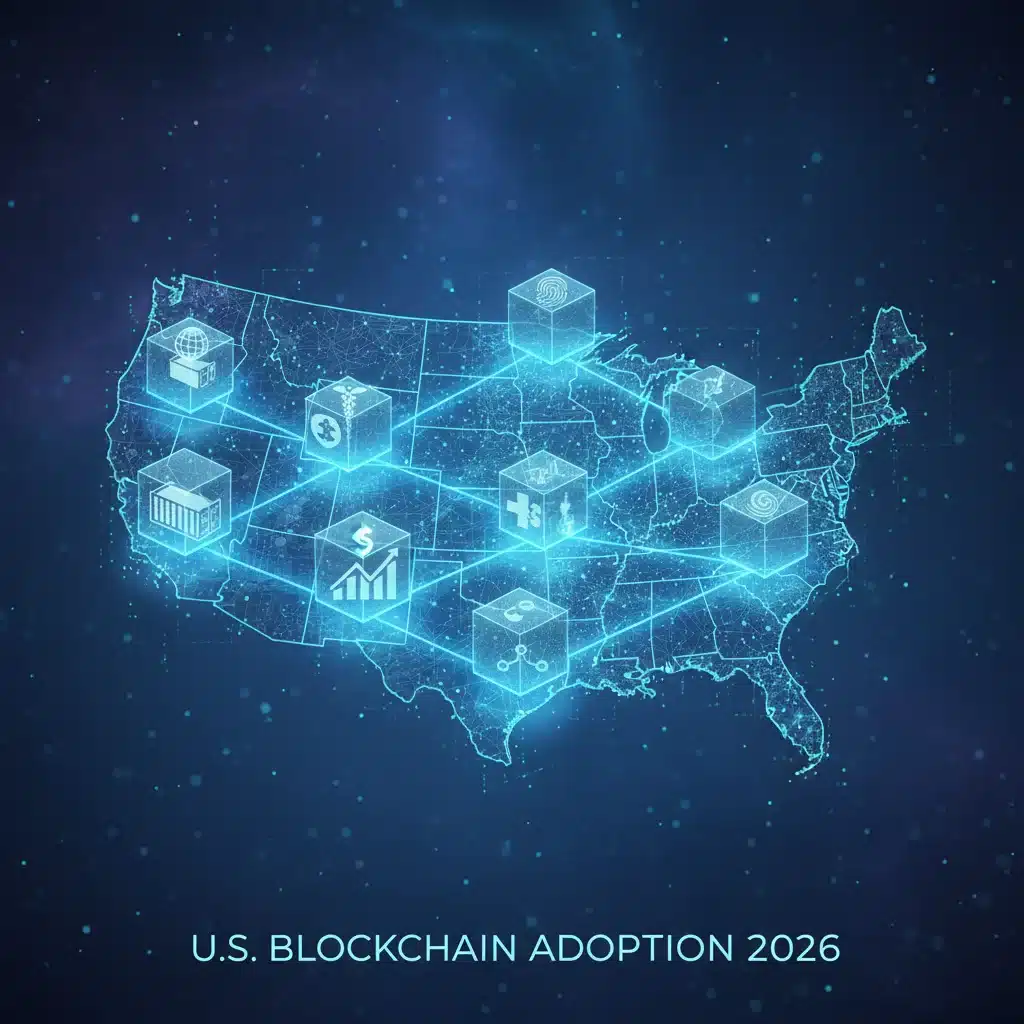
In the dynamic landscape of technological innovation, few concepts have captured the world’s imagination quite like blockchain. Initially synonymous with cryptocurrencies such as Bitcoin, blockchain technology has rapidly matured, demonstrating its profound potential far beyond digital currencies. Today, we stand on the cusp of a new era where enterprise blockchain applications are not just theoretical concepts but tangible solutions actively being deployed and scaled across various industries in the United States. By 2026, these applications are poised to fundamentally reshape how businesses operate, offering unprecedented levels of transparency, security, and efficiency.
The journey of blockchain from a niche financial tool to a foundational enterprise technology has been marked by significant investment, research, and pilot programs. What makes blockchain so attractive to enterprises is its inherent ability to create immutable, distributed ledgers that foster trust in trustless environments. This capability addresses critical pain points across complex business processes, from supply chain management to healthcare data security, and from financial transactions to digital identity verification. For businesses navigating an increasingly complex and interconnected global economy, the promise of enhanced data integrity, reduced fraud, and streamlined operations offered by enterprise blockchain applications is simply too compelling to ignore.
This article delves deep into four pivotal enterprise blockchain applications that are not only gaining traction but are expected to see widespread adoption and transformative impact across the U.S. by 2026. Drawing from insider knowledge and current market trends, we will explore how these applications are solving real-world business challenges, the benefits they offer, and what their broader implications might be for the future of industry. Prepare to look beyond the hype and understand the practical, powerful ways blockchain is redefining the enterprise landscape.
1. Revolutionizing Supply Chain Management: Enhancing Transparency and Traceability
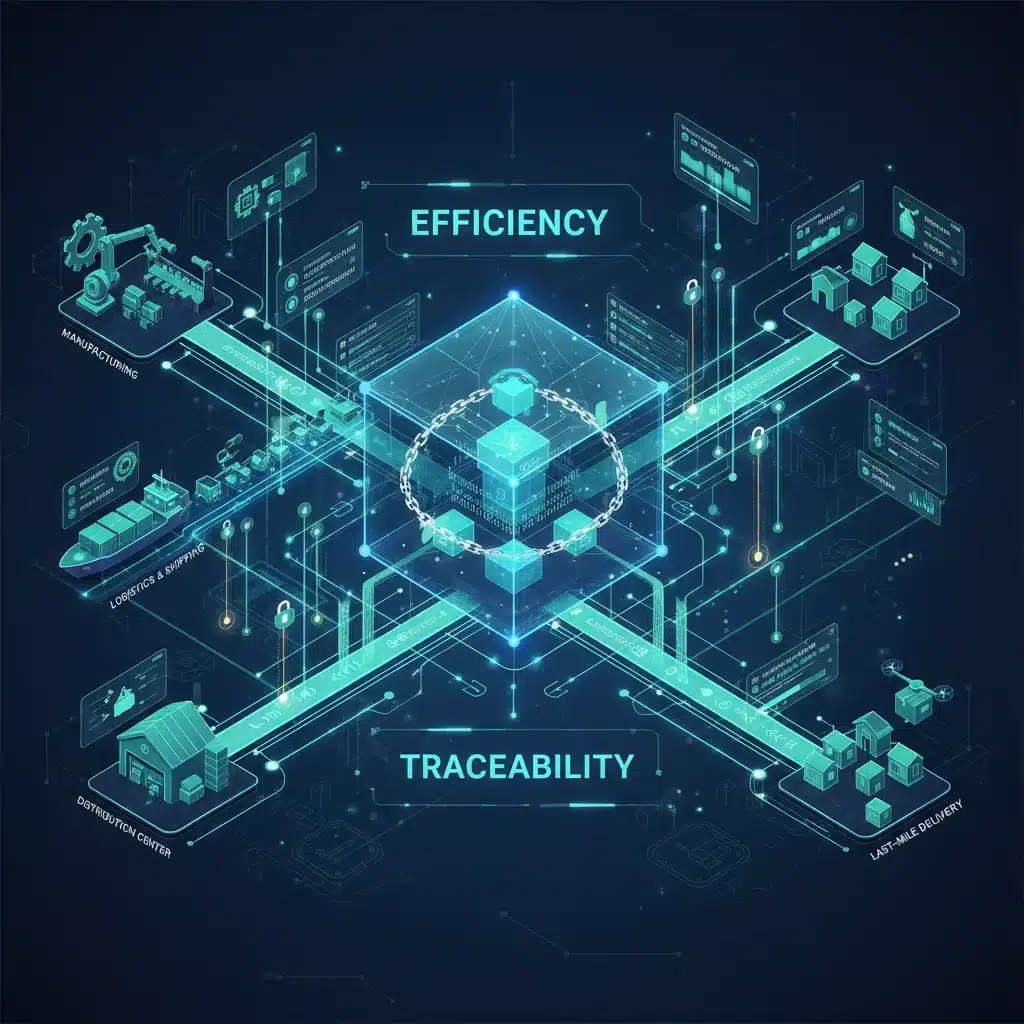
One of the most immediate and impactful areas where enterprise blockchain applications are making significant inroads is in supply chain management. Traditional supply chains are often opaque, fragmented, and prone to inefficiencies, fraud, and disputes. From the origin of raw materials to the final delivery of a product, tracking every step can be a monumental challenge, leading to issues like product counterfeiting, ethical sourcing concerns, and difficulties in pinpointing the source of contamination or defects.
The Blockchain Advantage in Supply Chains
Blockchain technology offers a robust solution by providing an immutable and transparent ledger that records every transaction and movement of goods. Each step in the supply chain – from manufacturing to shipping, customs clearance, and retail – can be logged as a block on the chain. This creates a permanent, verifiable record accessible to all authorized participants, fostering unparalleled transparency and traceability. Companies can track products in real-time, verify their authenticity, and ensure compliance with regulatory standards. This enhanced visibility is crucial for industries ranging from pharmaceuticals and food to luxury goods and electronics.
Real-World Impact and Adoption
Major players like IBM Food Trust have already demonstrated the power of blockchain in food supply chains, reducing the time it takes to trace a product from farm to store from days to seconds. This capability is vital for rapid recalls during foodborne illness outbreaks, saving lives and minimizing economic damage. Similarly, in the pharmaceutical industry, blockchain is being leveraged to combat counterfeit drugs, ensuring the integrity and safety of medications reaching consumers. The ability to verify the provenance of components is also critical in electronics manufacturing, helping companies adhere to ethical sourcing guidelines and prevent the use of conflict minerals.
Benefits for Businesses and Consumers
- Increased Trust: Consumers gain confidence in the authenticity and origin of products.
- Reduced Fraud: Counterfeiting becomes significantly harder to execute and easier to detect.
- Improved Efficiency: Automated tracking and reduced paperwork streamline operations.
- Enhanced Compliance: Easier adherence to regulatory requirements and ethical sourcing standards.
- Faster Problem Resolution: Rapid identification of issues like contamination or defective batches.
By 2026, we anticipate a significant surge in the adoption of blockchain-powered supply chain solutions across various sectors in the U.S., driven by increasing consumer demand for transparency and stricter regulatory frameworks. These enterprise blockchain applications will not only optimize logistics but also build stronger trust between brands and their customers.
2. Transforming Healthcare: Secure Data Management and Interoperability
The healthcare industry, characterized by its sensitive data, fragmented systems, and complex regulatory environment, is ripe for disruption by enterprise blockchain applications. Challenges such as data silos, patient record security, interoperability issues between different healthcare providers, and the laborious process of clinical trial management have long plagued the sector, leading to inefficiencies, increased costs, and compromised patient care.
Blockchain as a Panacea for Healthcare Data
Blockchain’s core attributes – decentralization, immutability, and cryptography – offer compelling solutions to these persistent problems. By creating a secure, shared ledger for patient data, blockchain can enhance privacy, improve data integrity, and facilitate seamless information exchange among authorized parties. Patients can gain more control over their health records, granting or revoking access as needed, while healthcare providers can access a comprehensive and up-to-date view of a patient’s medical history, leading to more accurate diagnoses and personalized treatment plans.
Key Use Cases in Healthcare
- Secure Electronic Health Records (EHRs): Blockchain can secure EHRs, making them tamper-proof and ensuring that only authorized personnel can access them. This mitigates the risk of data breaches and enhances patient privacy.
- Interoperability: By providing a standardized, secure platform for data exchange, blockchain can bridge the gap between disparate healthcare systems, allowing hospitals, clinics, pharmacies, and laboratories to share information efficiently and securely.
- Drug Traceability and Supply Chain: Similar to general supply chains, blockchain can track pharmaceuticals from manufacturing to patient, preventing counterfeiting and ensuring drug authenticity.
- Clinical Trials Management: Blockchain can bring transparency and immutability to clinical trial data, ensuring data integrity, reducing fraud, and accelerating the drug development process.
- Medical Billing and Claims Processing: Streamlining the complex and often error-prone process of medical billing and insurance claims through smart contracts can reduce administrative overhead and accelerate payments.
The Road Ahead for Blockchain in Healthcare
While the adoption in healthcare might be slower due to stringent regulations (like HIPAA in the U.S.) and the sheer complexity of existing infrastructures, pilot projects and consortiums are demonstrating promising results. By 2026, we expect to see significant advancements in blockchain-based EHR systems and interoperability solutions, driven by the need for more efficient, secure, and patient-centric healthcare. These enterprise blockchain applications will empower patients, enhance care coordination, and ultimately contribute to a more resilient and responsive healthcare ecosystem.
3. Revolutionizing Financial Services: Beyond Cryptocurrencies
The financial services industry was the birthplace of blockchain, but its evolution extends far beyond speculative cryptocurrencies. Traditional finance grapples with inefficiencies stemming from outdated infrastructure, slow settlement times, high transaction costs, and a reliance on intermediaries. Enterprise blockchain applications are offering a paradigm shift, promising to streamline operations, reduce costs, and enhance security and transparency across various financial domains.
Transformative Applications in Finance
- Cross-Border Payments and Remittances: One of the most significant applications is in facilitating faster, cheaper, and more transparent international payments. Traditional systems involve multiple intermediaries, leading to delays and high fees. Blockchain-based solutions can enable near-instantaneous settlement with lower transaction costs, benefiting individuals and businesses alike.
- Trade Finance: The complex and paper-intensive nature of trade finance makes it an ideal candidate for blockchain disruption. By digitizing documents, automating processes with smart contracts, and providing a shared, immutable record of transactions, blockchain can reduce fraud, accelerate financing, and enhance trust among trading partners.
- Asset Tokenization: Blockchain enables the tokenization of real-world assets, such as real estate, art, and private equity. This process converts ownership rights into digital tokens on a blockchain, making assets more liquid, divisible, and accessible to a broader range of investors.
- Securities Settlement: The current system for settling securities transactions can take days. Blockchain can enable atomic swaps and instant settlement, significantly reducing counterparty risk and freeing up capital.
- Regulatory Compliance (RegTech): Blockchain can provide regulators with real-time, immutable access to transaction data, simplifying compliance, reducing reporting burdens for financial institutions, and enhancing oversight.
The Future of Finance with Blockchain
Major financial institutions, including banks and stock exchanges, are heavily investing in blockchain technology. Consortia like R3 Corda are developing enterprise-grade blockchain platforms specifically for the financial sector. By 2026, we anticipate a significant overhaul of back-office operations, the emergence of new financial products, and a more efficient global financial system, all powered by these advanced enterprise blockchain applications. The shift will not be about replacing traditional institutions but augmenting them with a more robust and efficient technological backbone.
4. Digital Identity Management: Empowering Individuals and Securing Interactions
In an increasingly digital world, managing personal identity online has become a critical challenge. Centralized identity systems are vulnerable to data breaches, leading to identity theft and privacy concerns. Furthermore, individuals often lack control over their personal data, which is scattered across numerous platforms. Digital identity management, powered by enterprise blockchain applications, offers a revolutionary approach to this pervasive problem.
Self-Sovereign Identity (SSI) and Blockchain
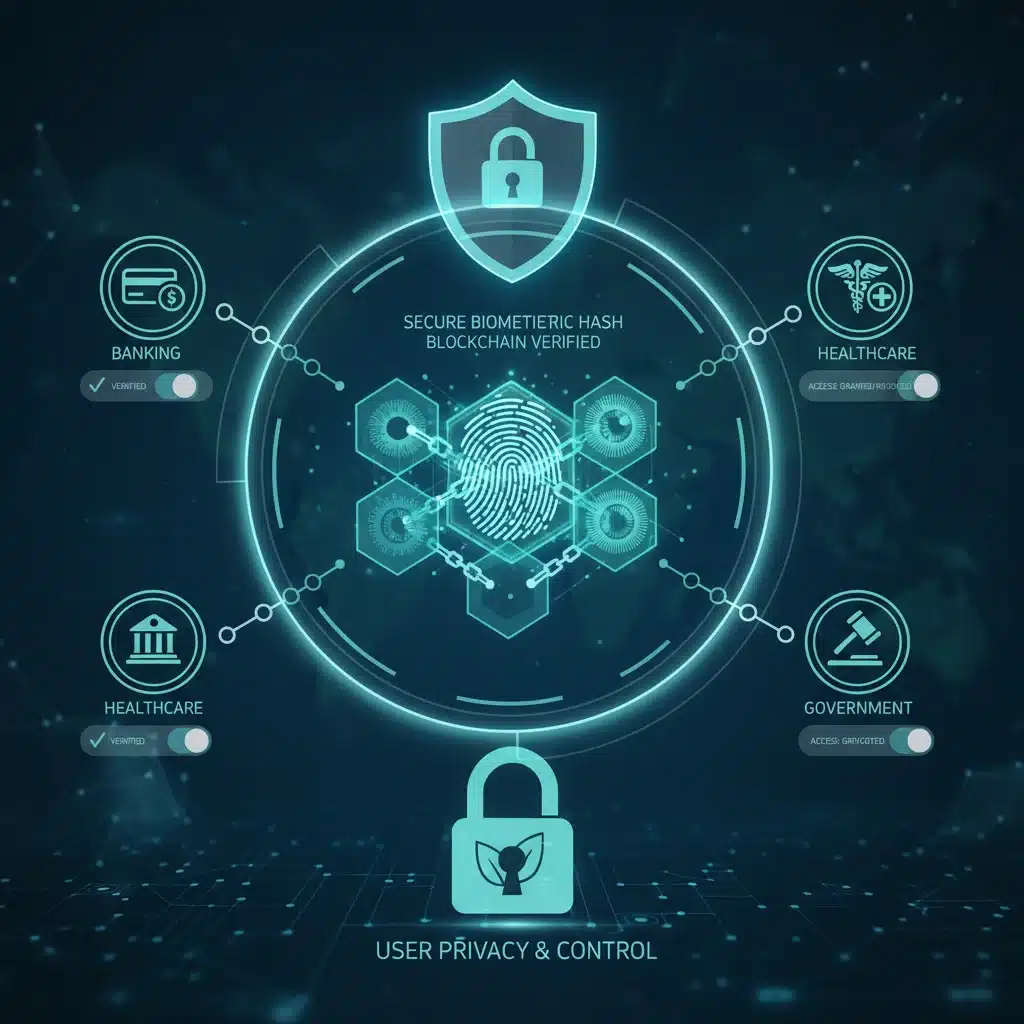
The concept of Self-Sovereign Identity (SSI) is at the heart of blockchain-based identity solutions. SSI empowers individuals to own and control their digital identities, deciding what personal information to share, with whom, and for how long. Blockchain provides the secure, immutable ledger to record verifiable credentials issued by trusted entities (e.g., a government issuing a digital passport, a university issuing a degree, or a bank confirming creditworthiness). These credentials are then cryptographically linked to the individual’s decentralized identifier (DID), which is stored on the blockchain.
Benefits and Use Cases
- Enhanced Security and Privacy: By decentralizing identity data and giving control to the individual, the risk of large-scale data breaches is significantly reduced. Users only share the necessary information, protecting their privacy.
- Simplified Verification: Verifying identities becomes faster and more reliable. Instead of relying on centralized databases, organizations can instantly verify credentials issued by trusted sources on the blockchain.
- Reduced Fraud: Impersonation and identity fraud become much harder when identities are cryptographically secured and verifiable on an immutable ledger.
- Seamless Onboarding: For businesses, customer onboarding (KYC/AML) can be streamlined, reducing costs and improving user experience.
- Access to Services: Individuals in underserved populations without traditional identification can gain access to financial services, healthcare, and government benefits through verifiable digital identities.
- Web3 and Metaverse: As the digital world evolves into Web3 and the metaverse, secure and portable digital identities will be crucial for authenticating users and managing their digital assets and reputation.
The Future of Identity
Governments, technology companies, and consortiums are actively developing and piloting blockchain-based digital identity solutions. By 2026, we expect to see significant adoption of SSI frameworks in the U.S., particularly in regulated industries and for government services. These enterprise blockchain applications will not only secure our digital lives but also foster a more inclusive and trustworthy online environment, fundamentally changing how we interact with the digital world.
The Road Ahead: Challenges and Opportunities for Enterprise Blockchain Adoption
While the potential of enterprise blockchain applications is undeniable, their widespread adoption by 2026 is not without its challenges. Interoperability between different blockchain networks, regulatory clarity, scalability concerns, and the need for skilled talent remain significant hurdles. However, ongoing research, standardization efforts, and increasing investment are steadily addressing these issues.
Interoperability: Connecting the Blockchain Ecosystem
One of the primary challenges is ensuring that different blockchain networks can communicate and transact with each other. As various industries adopt specialized blockchain solutions, the ability to seamlessly exchange data and assets across these disparate ledgers becomes crucial. Projects focusing on cross-chain communication protocols and interoperability standards are vital for creating a truly interconnected blockchain ecosystem. Without robust interoperability, the full potential of enterprise blockchain applications to create a unified, efficient digital economy will remain untapped. Standards bodies and industry consortia are actively working on defining common protocols and APIs to facilitate this crucial communication, ensuring that data can flow securely and reliably between different blockchain platforms and traditional systems.
Regulatory Clarity: Paving the Way for Innovation
The regulatory landscape surrounding blockchain technology is still evolving, particularly in the U.S. Uncertainty about how digital assets, smart contracts, and decentralized autonomous organizations (DAOs) will be classified and governed can hinder adoption. Clearer guidelines from regulatory bodies are essential to provide businesses with the confidence to invest heavily in and deploy blockchain solutions. As regulators gain a deeper understanding of the technology’s nuances, we can expect more defined frameworks that foster innovation while protecting consumers and ensuring market stability. This clarity will be a significant catalyst for the mainstream adoption of enterprise blockchain applications.
Scalability: Meeting Enterprise Demands
For blockchain to handle the massive transaction volumes required by large enterprises, scalability is paramount. Early blockchain designs, like Bitcoin’s, were not built for high throughput. However, significant advancements are being made in scaling solutions, including layer-2 protocols, sharding, and more efficient consensus mechanisms. Enterprise-grade blockchain platforms are specifically designed to address these scalability needs, ensuring that the technology can support the demands of global businesses without compromising security or decentralization. Continued innovation in this area will be critical for the widespread deployment of complex enterprise blockchain applications.
Talent Gap: Building the Future Workforce
The rapid growth of blockchain technology has created a significant demand for skilled professionals, including blockchain developers, architects, legal experts, and business strategists. The current supply of such talent often lags behind the demand, posing a challenge for companies looking to implement and manage blockchain solutions. Educational institutions and industry training programs are stepping up to bridge this gap, but building a robust workforce capable of designing, deploying, and maintaining sophisticated enterprise blockchain applications will be an ongoing effort. Companies that invest in upskilling their existing teams and attracting new talent will be better positioned to capitalize on blockchain’s potential.
The Overarching Opportunity
Despite these challenges, the opportunities presented by enterprise blockchain applications are immense. The ability to create more transparent, secure, and efficient systems across industries can unlock new business models, foster greater trust among stakeholders, and drive significant economic value. Early adopters are already demonstrating competitive advantages, and as the technology matures and best practices emerge, the pace of adoption is expected to accelerate dramatically. The U.S., with its strong innovation ecosystem and significant investment in R&D, is particularly well-positioned to lead this transformation.
Conclusion: The Enterprise Blockchain Revolution is Here
The narrative around blockchain has unequivocally shifted from speculative cryptocurrency ventures to tangible, value-driven enterprise blockchain applications. By 2026, the U.S. business landscape will be significantly impacted by these four key areas: supply chain management, healthcare data systems, financial services, and digital identity. Each application promises not just incremental improvements but foundational shifts in how industries operate, fostering unprecedented levels of trust, efficiency, and security.
Businesses that recognize the strategic importance of these emerging technologies and begin to explore their implementation will be best positioned to thrive in the coming years. The journey of blockchain from a nascent technology to a cornerstone of enterprise infrastructure is well underway, and the transformative potential it holds for a more connected, transparent, and secure global economy is becoming increasingly clear. The enterprise blockchain revolution is not just coming; it is already here, shaping the future of business, one immutable block at a time.